Identifying where repetitive manual work is costing your business time and consistency - then designing and implementing the automations that eliminate it.
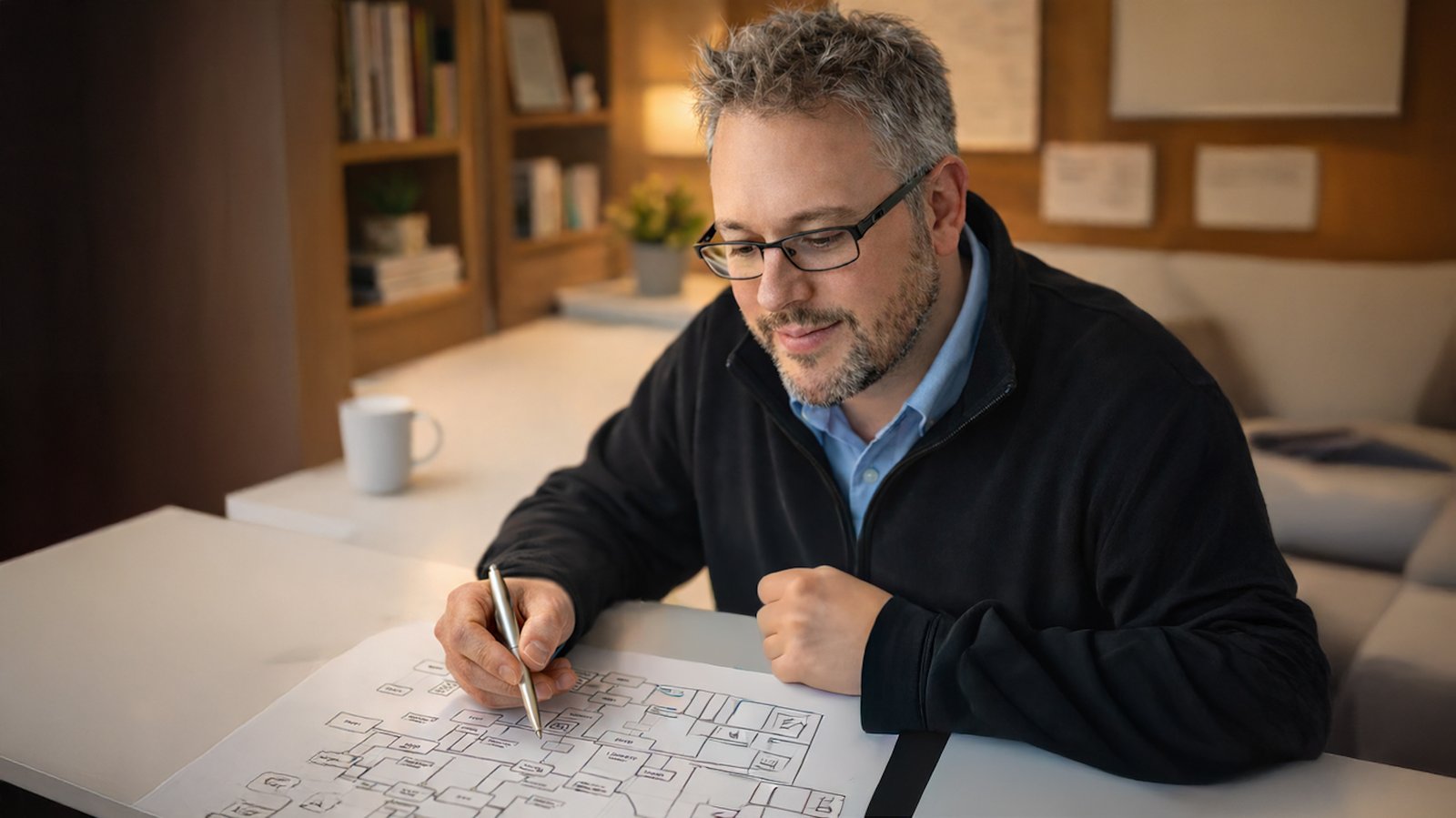
Every small business has work that happens the same way, over and over - following up on a new lead, sending a confirmation email, moving a completed form into a spreadsheet, generating a weekly report. That work adds up. It fills hours that could go somewhere more valuable, and when it does not happen consistently, it creates gaps that cost the business.
Workflow automation is the discipline of identifying that work and building systems that handle it reliably - without requiring a person to remember, initiate, or execute it every time.
Automation does not mean replacing people. It means freeing people from the work that does not require them. The best automations are the ones that handle the predictable, repeatable parts of a workflow so that the humans on your team can focus on the work that genuinely requires judgment, relationships, and expertise.
For small businesses, the most valuable automations are usually the least glamorous ones. Not AI agents or complex machine learning - just reliable triggers and actions that ensure the right thing happens at the right time, every time, without anyone having to remember to do it.
The starting point is always the workflow itself - not the tool. Automation built on top of a poorly designed workflow just produces the wrong output faster. The work begins with understanding the process, clarifying the steps, and identifying exactly where automation creates value versus where human involvement is still essential.
The highest-value automation opportunities in small businesses are usually hiding in plain sight - the tasks that happen every day that nobody questions because they have always happened that way.
New inquiries automatically entered into the CRM, follow-up sequences triggered without manual action, and no lead going cold because someone forgot to respond. Consistent follow-up without consistent effort.
Intake forms that trigger welcome sequences, document requests, calendar invites, and internal notifications - so every new client gets the same experience regardless of who handled the intake.
The right people get notified when something needs their attention - without relying on someone to remember to tell them. Handoffs between stages, teams, or systems happen automatically.
Weekly summaries, performance snapshots, and operational reports generated and delivered automatically - so the information you need to make decisions arrives without anyone having to pull it together.
Confirmations, reminders, and follow-ups sent automatically around appointments and bookings - reducing no-shows, improving client experience, and eliminating the manual back-and-forth of scheduling.
Forms that populate spreadsheets, documents that generate from templates, files that route to the right folders - information moving where it needs to go without anyone manually transferring it.
Automation that holds up in real operations requires the same disciplined approach as any other systems work - understand first, then build.
Step 01
Map the workflows that currently require manual attention and identify which ones are repetitive, predictable, and high-frequency enough to justify automation.
Step 02
Before any automation gets built, the underlying workflow needs to be clear. Automating a confused process just produces confusion faster. Clarity comes before automation.
Step 03
Define the triggers, conditions, and actions. What starts the automation? What happens next? What are the exceptions? Good automation design accounts for edge cases before they become problems.
Step 04
Build the automation in a controlled environment and test with real scenarios - including the edge cases and error states that will inevitably occur in live operations.
Step 05
Roll the automation into live operations with clear documentation of how it works, what it handles, and what to do when something unexpected happens.
Step 06
Automations need maintenance as workflows evolve and tools change. Regular review ensures they continue performing as intended as the business grows.
Automation creates leverage - which means it amplifies both good processes and bad ones. These are the most common failure patterns.
If the process is clear and the workflow is sound, automation makes it faster, more consistent, and less dependent on individual effort. If the process is unclear, automation makes the problem harder to see and harder to fix.
The most valuable thing a workflow automation consultant brings is not technical skill - it is the judgment to know which workflows are ready to automate, which ones need to be redesigned first, and which ones should stay human.
Connecting the tools your business uses so information flows without manual transfer
Adding AI capabilities on top of automated, connected workflows
How Build a Brand approaches execution and making change stick
Strategy, systems, and implementation - how engagements are structured
No. Every automation is built and documented so that your team can understand what it does and manage it without technical expertise. The goal is systems your team can actually use and maintain - not black boxes that require a developer every time something changes.
The best candidates are workflows that are repetitive, predictable, high-frequency, and currently done manually. The initial consultation is designed to surface exactly these opportunities - you do not need to know which ones to automate before the conversation starts.
Yes - and that is part of the work. Automation built on top of a confused process just produces the wrong output consistently. Clarifying and redesigning the workflow before automating it is not a detour; it is the right sequence.
It depends on the number and complexity of the workflows involved. A single focused automation can be designed and deployed quickly. A broader workflow audit with multiple automations built across several systems takes longer. Scope is always determined after the initial consultation.
Yes. Workflow automation engagements are conducted remotely for clients across New Jersey, the Philadelphia region, and nationwide. Local clients in South Jersey can also meet in person.
The first step is always a free 30-minute consultation. No commitment, no preset scope - just a direct conversation about where manual work is costing your business and what automation could realistically fix.
A short intake form takes about 3-5 minutes and makes that first conversation worth having for both sides.
Book a free consultation